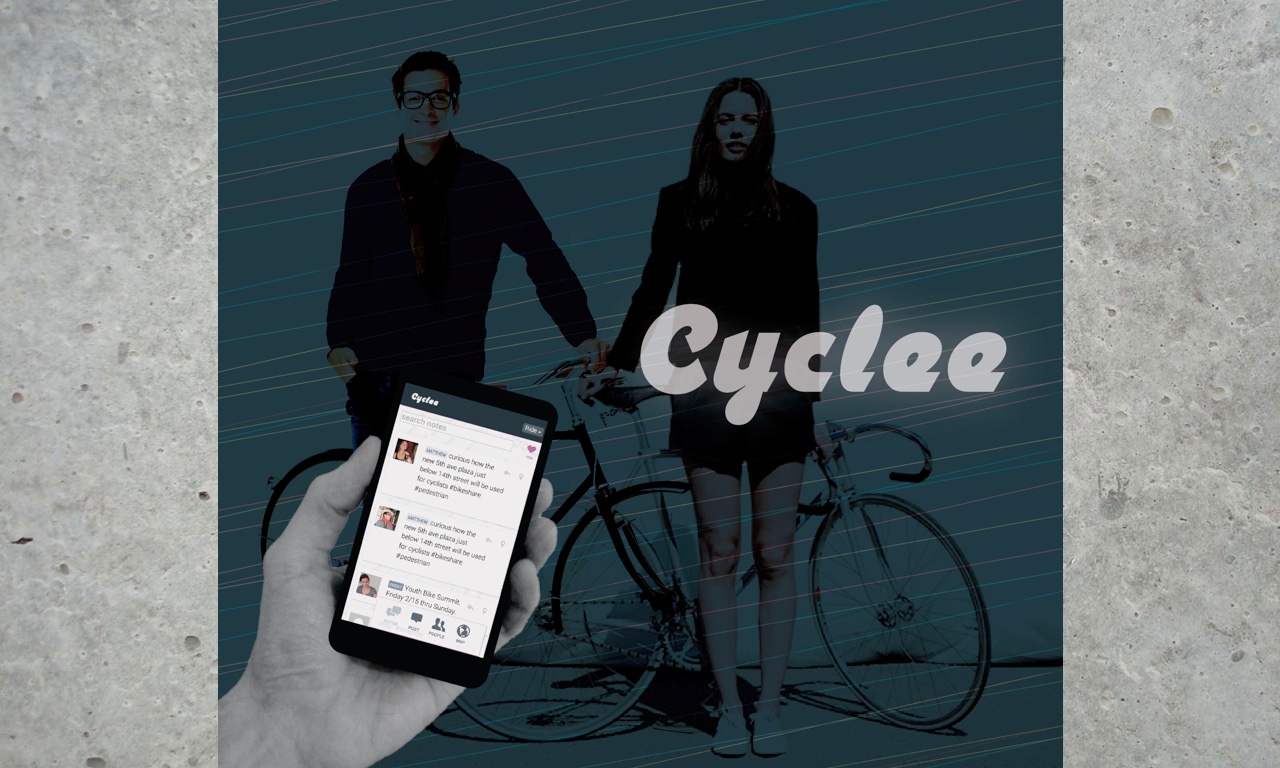
This mobile web platform for bicyclists enables them to connect with other riders in their city. In particular, it fosters community among people who frequent similar paths by making their common but solitary experience more visible.
Cyclee users might chat about routes and hazards, partner for a commute, or develop ideas for advocacy and infrastructure. This platform goes beyond existing social ties and makes new connections among neighbors. Rather than broadcasting about an observation to friends or the world at-large, a user’s note naturally and effortlessly targets riders who need this information. The platform and community evolve in tandem, an asynchronous critical mass bike ride.
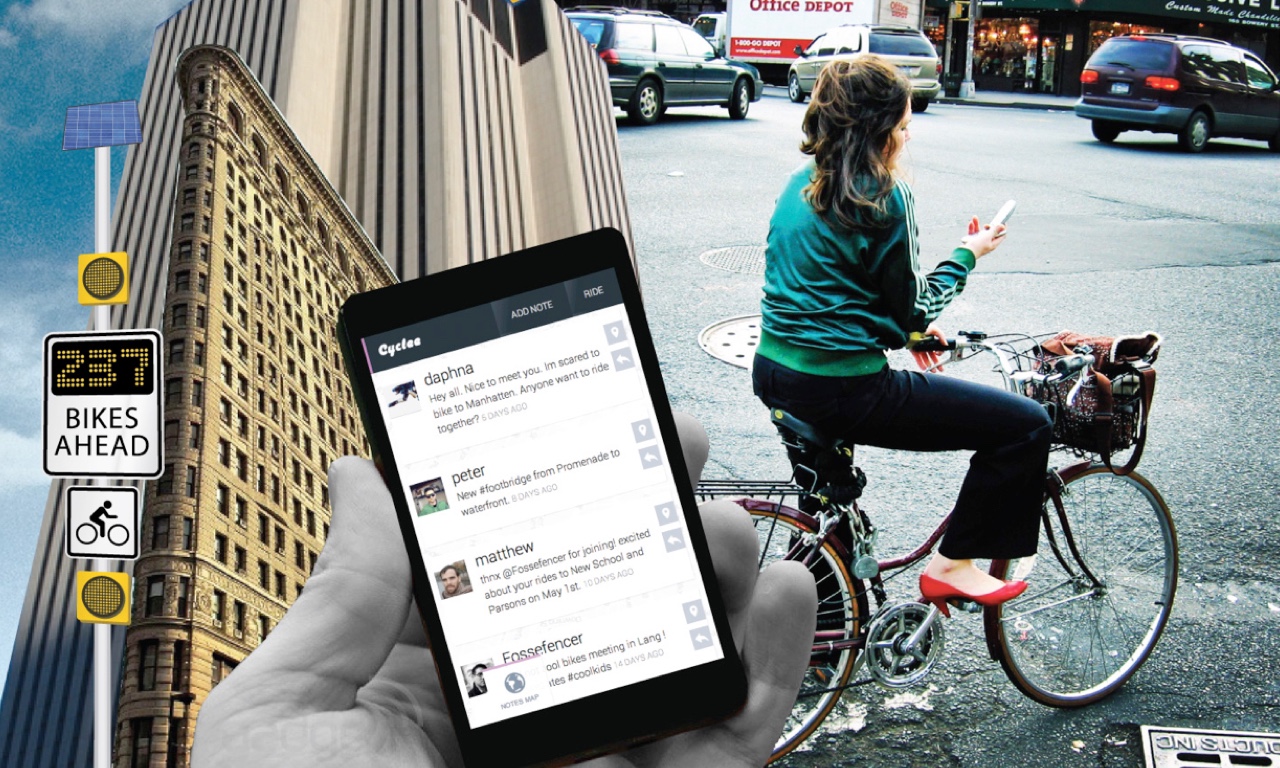
Cyclee gives you a stream of posts by your peers. The feed is not centered on your friends or your location. Instead, it shows you posts on your path through the city.
Before you ride, check the weather and check Cyclee. Avoid construction, learn about new cafes, chat with the people who you see on the way to work each day.
Below, I describe two innovations in more detail. But first, a promotional video and a bit more context.
Background
Imagine this: Riding across the city, you almost crash from black ice on the bridge. It's 5pm. Thousands of riders will be on this path soon. How do you let them know? Post to facebook, alert your friends in Austin and SF? Post to twitter #bikenyc, and spark dozens of warnings for intersections across the city read by few on this path?
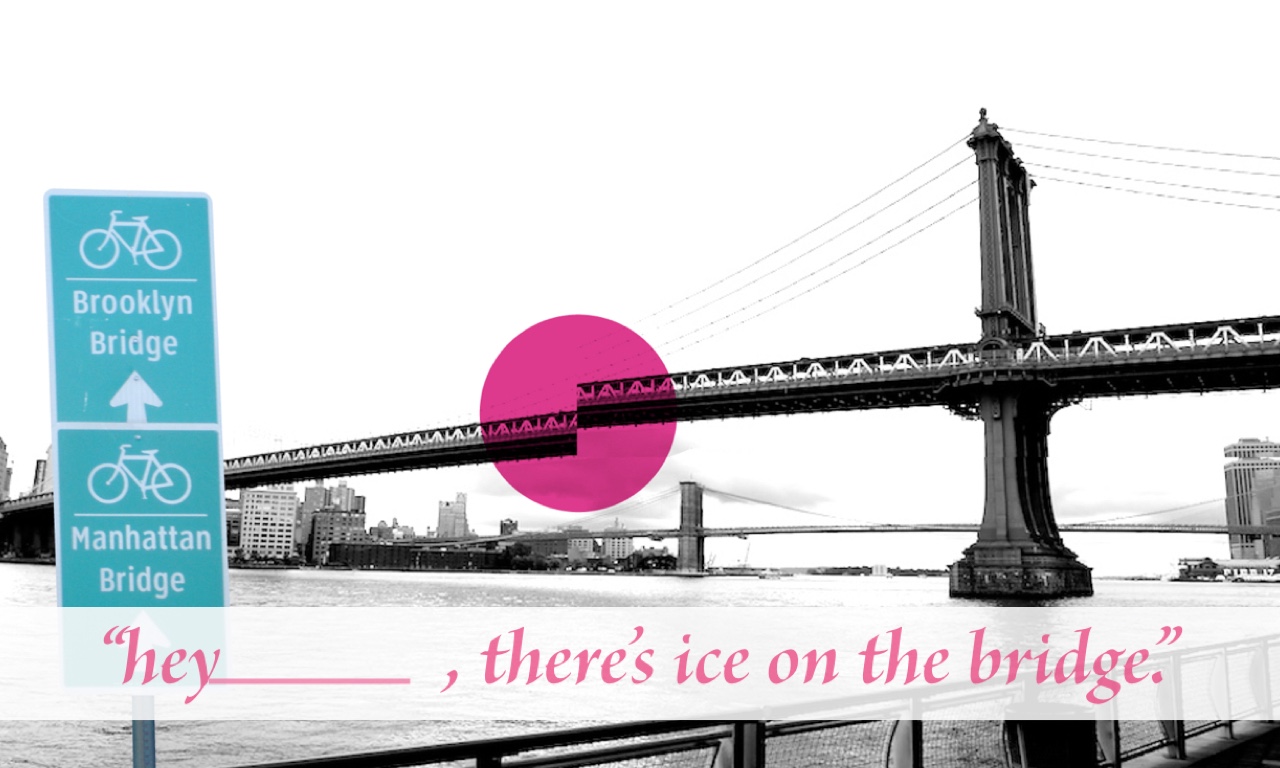
Communicate with people who share your commute.
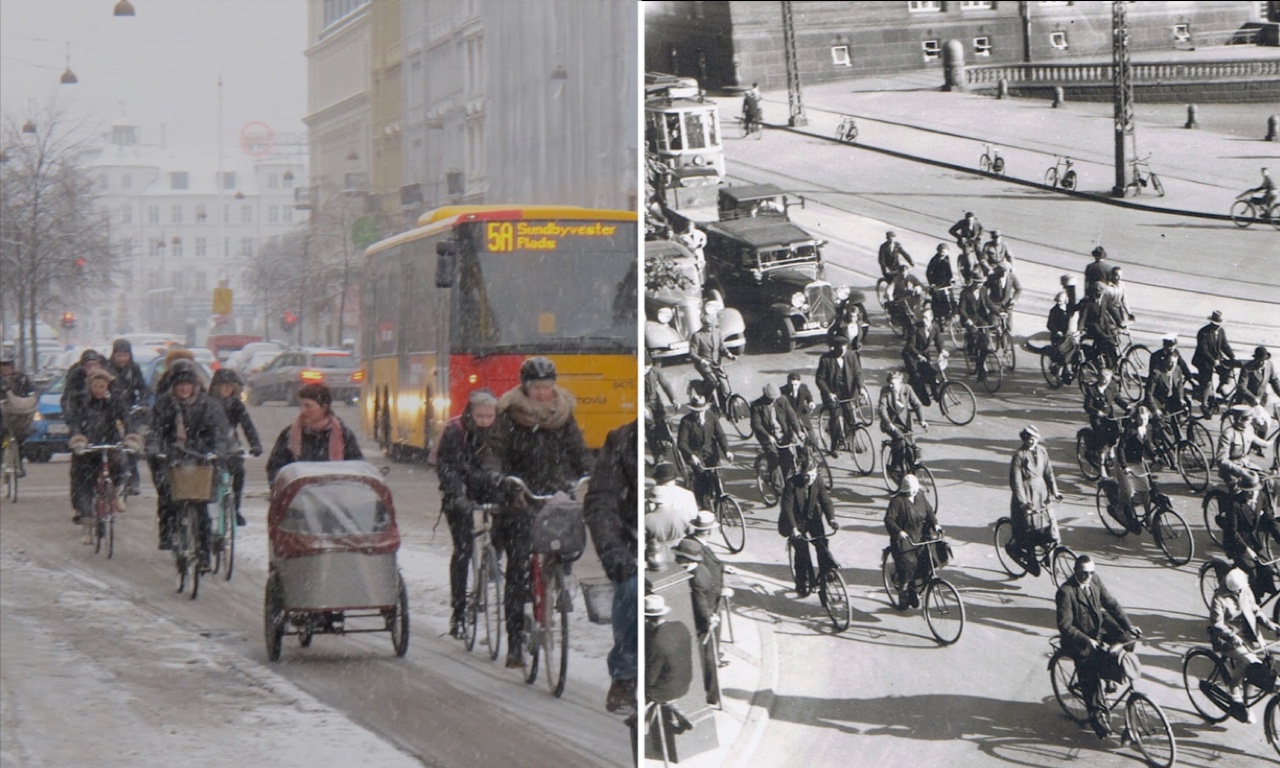
For more than a century, millions have used bikes for fun and transportation.
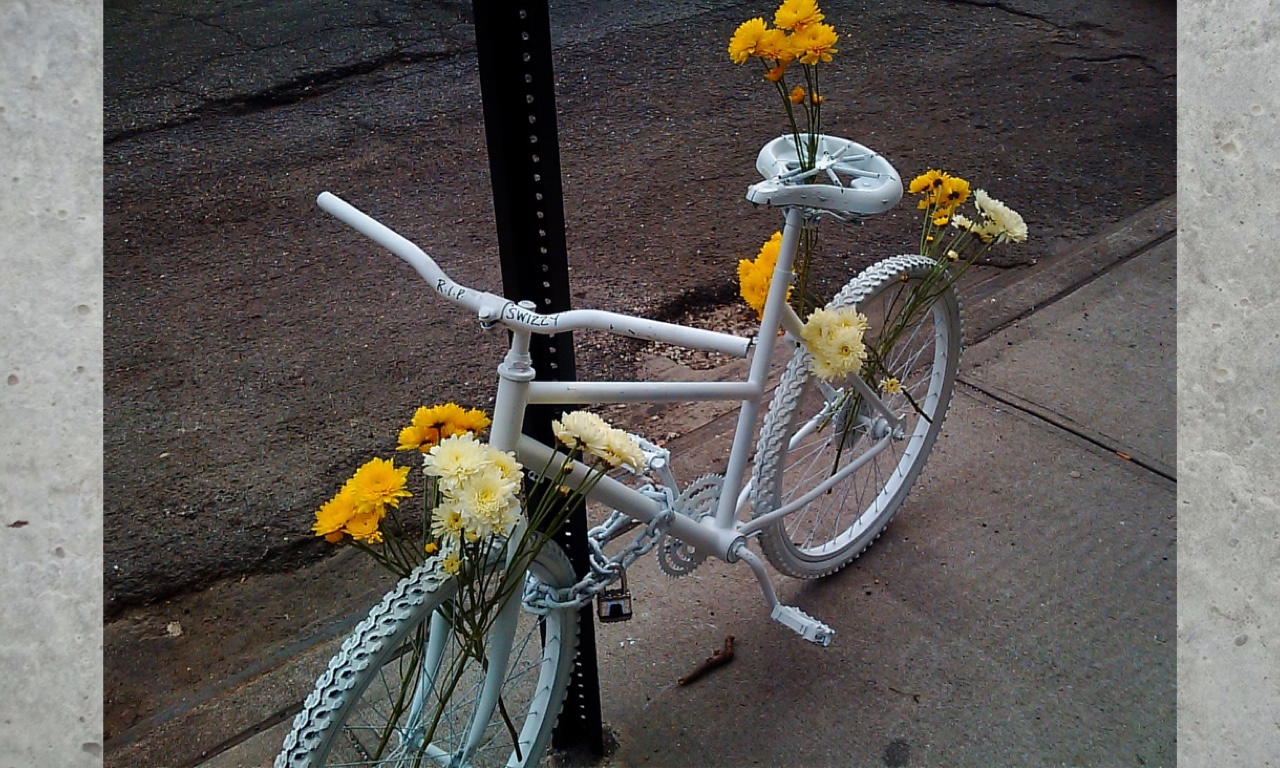
In cities built around cars, cyclists have a natural affinity to look out for each other.
UI Innovation
UI innovation – adding info to a map is a pain on mobile. The app can grab your current location, but you will often post a note after you arrive, not while you ride. To move your note, I devised an elegant UI innovation.
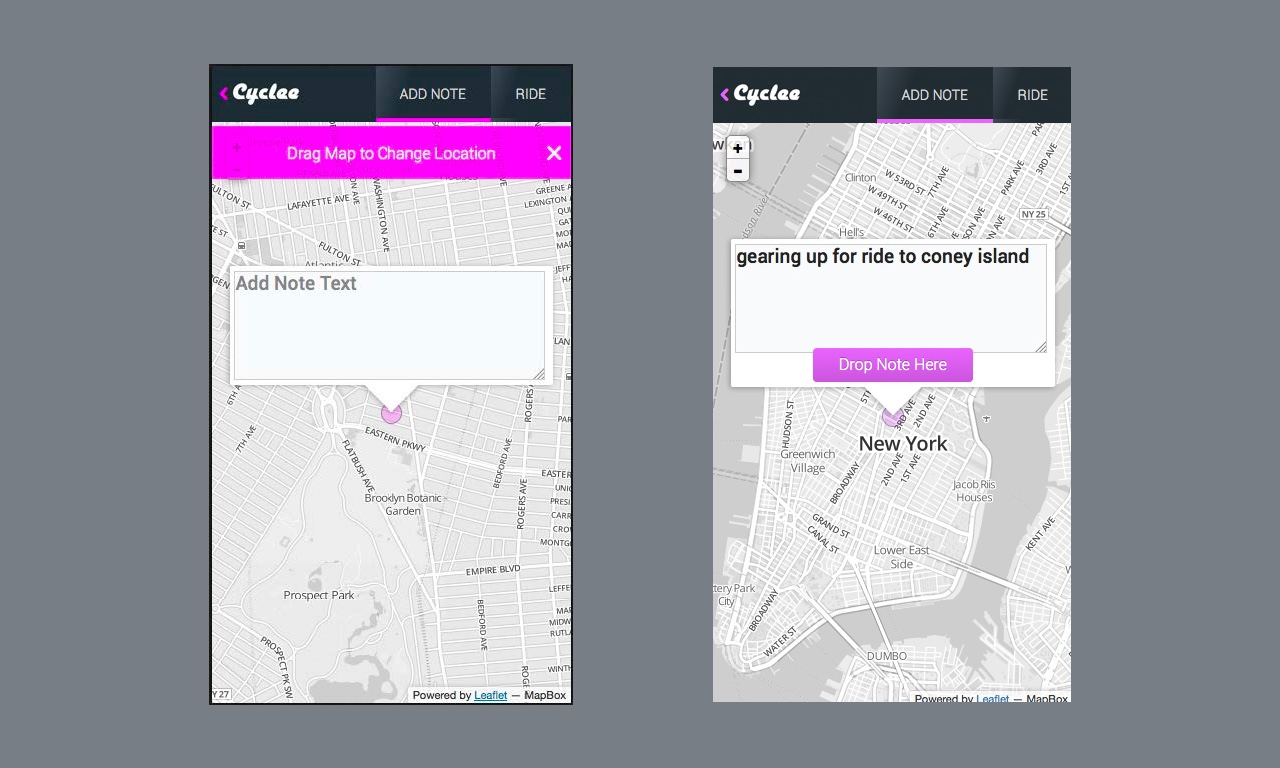
When I designed this, map tools usually worked like so: Drag a tiny pin with your thumb blocking your view of the map. So fiddly. On Cyclee, your pin remains fixed as you move the map below. It seems obvious now, and this pattern has since become more common.
Peers Share a Path
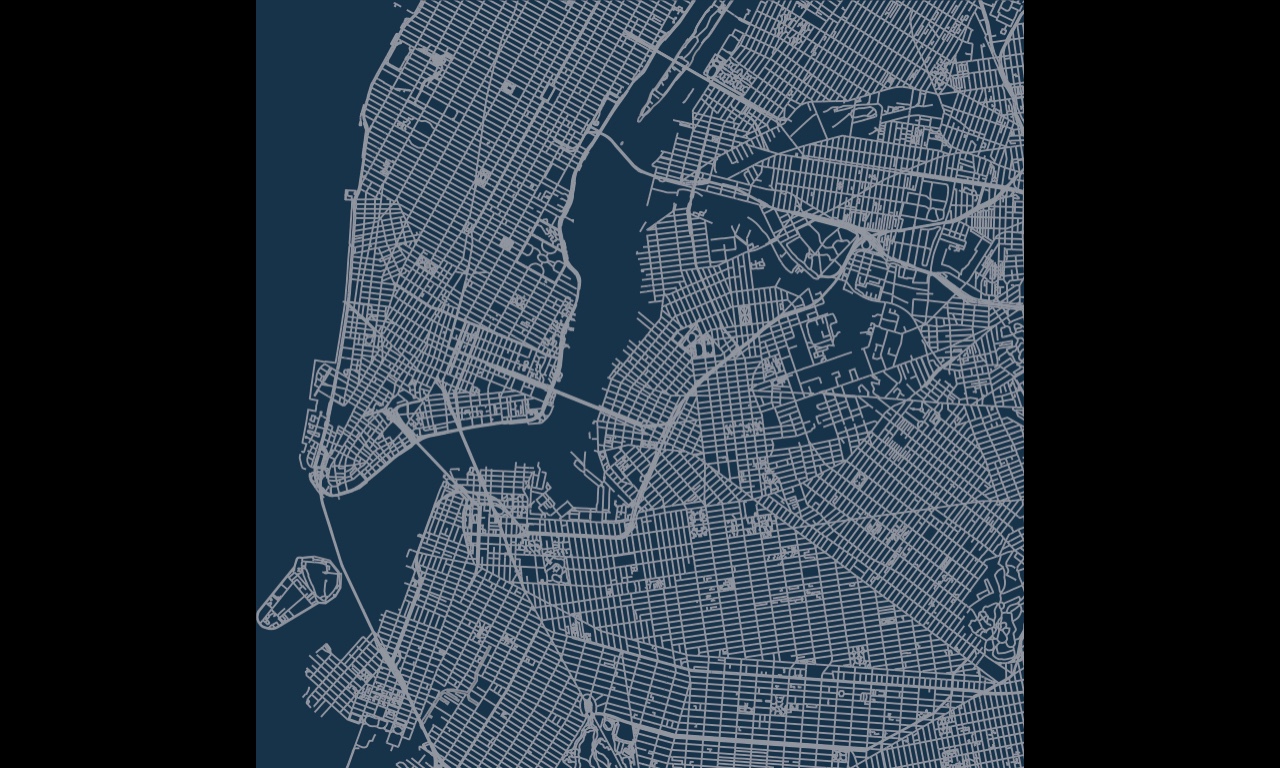
A city of cyclists...
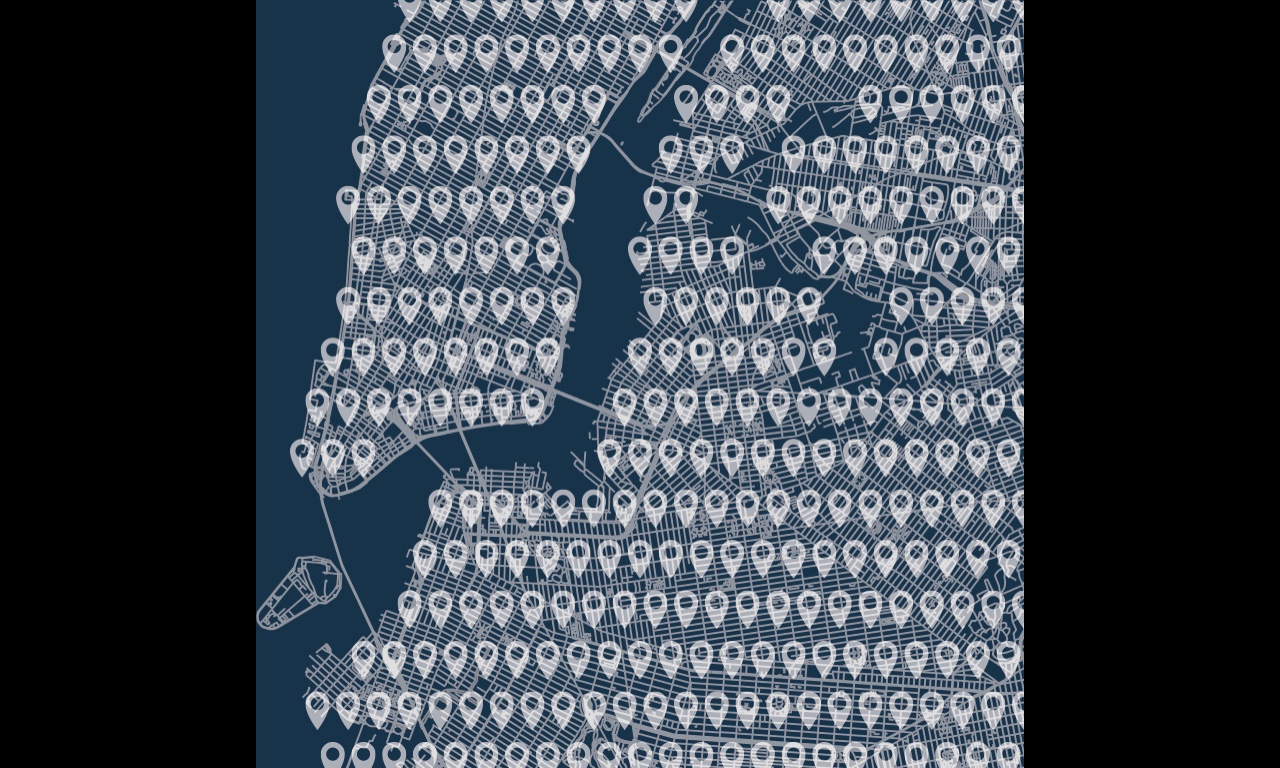
Thousands of funny, insightful, and urgent things to share.
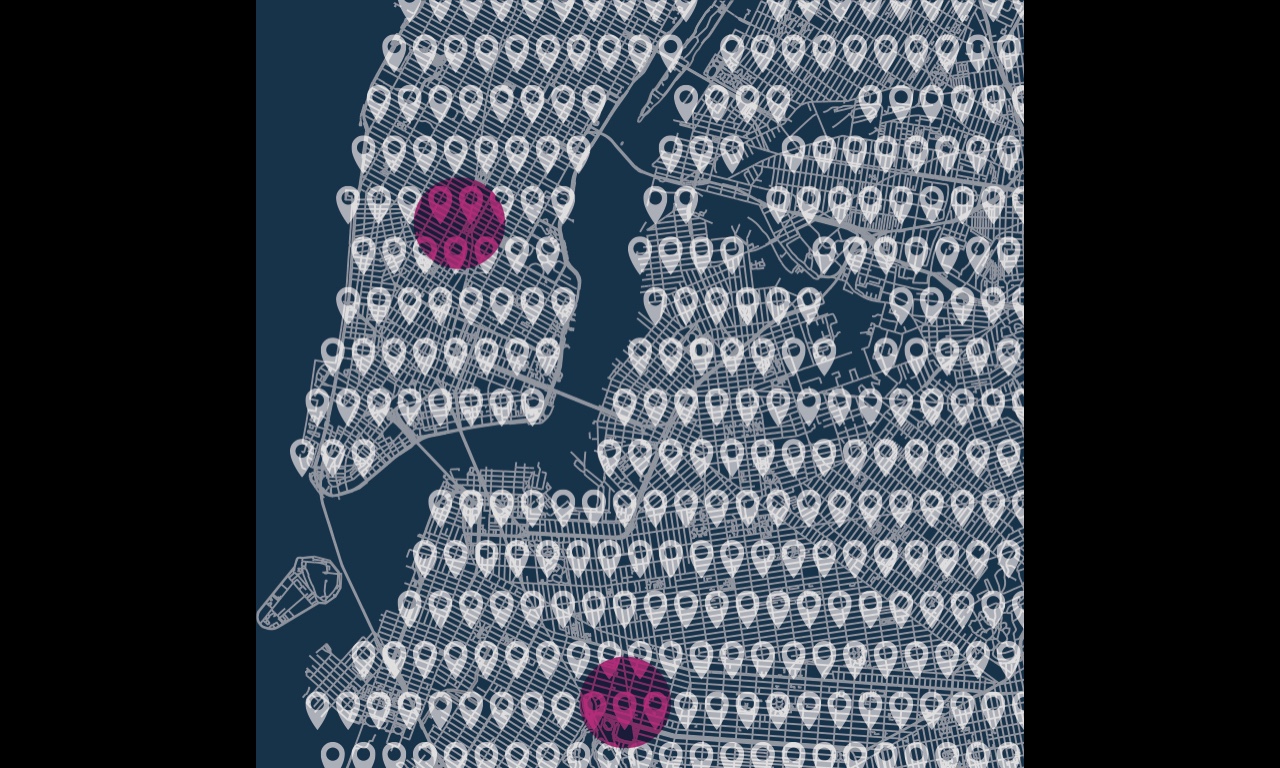
Can we filter the noise to make this more useful?
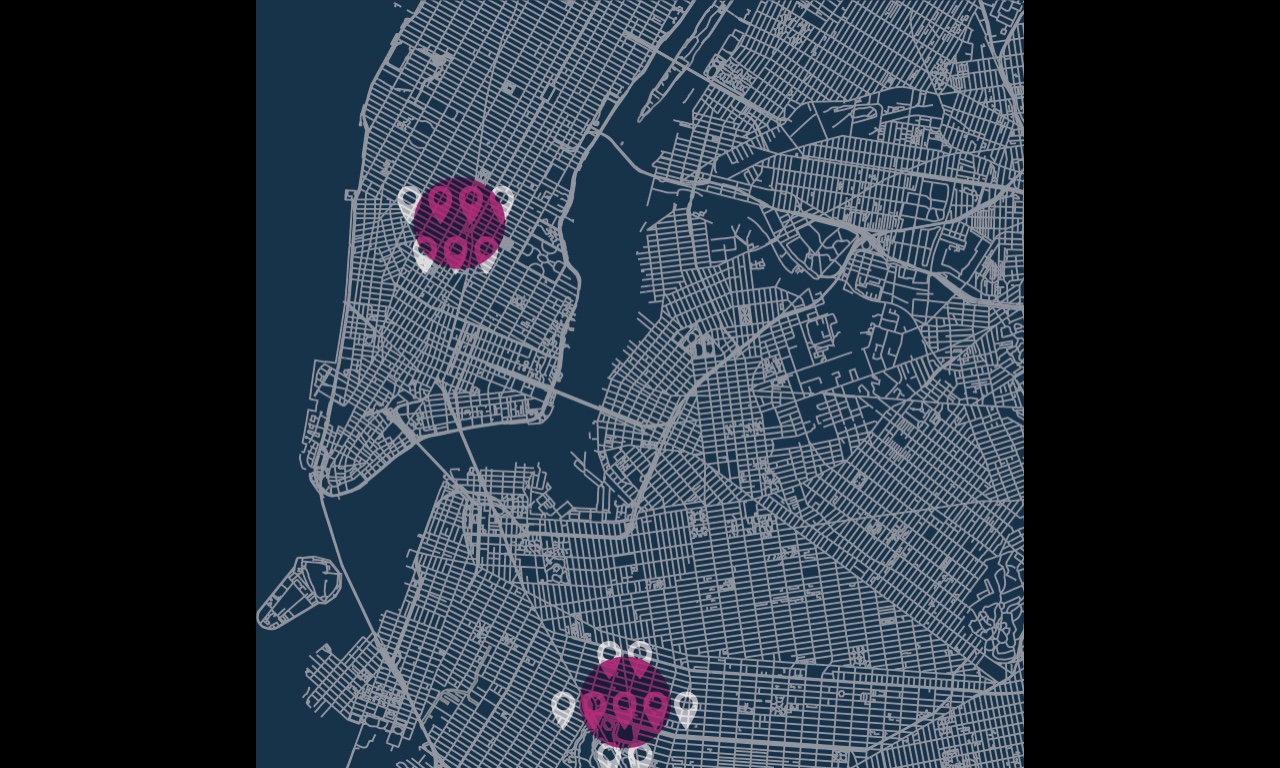
We can already share with co-workers in an office or friends online.
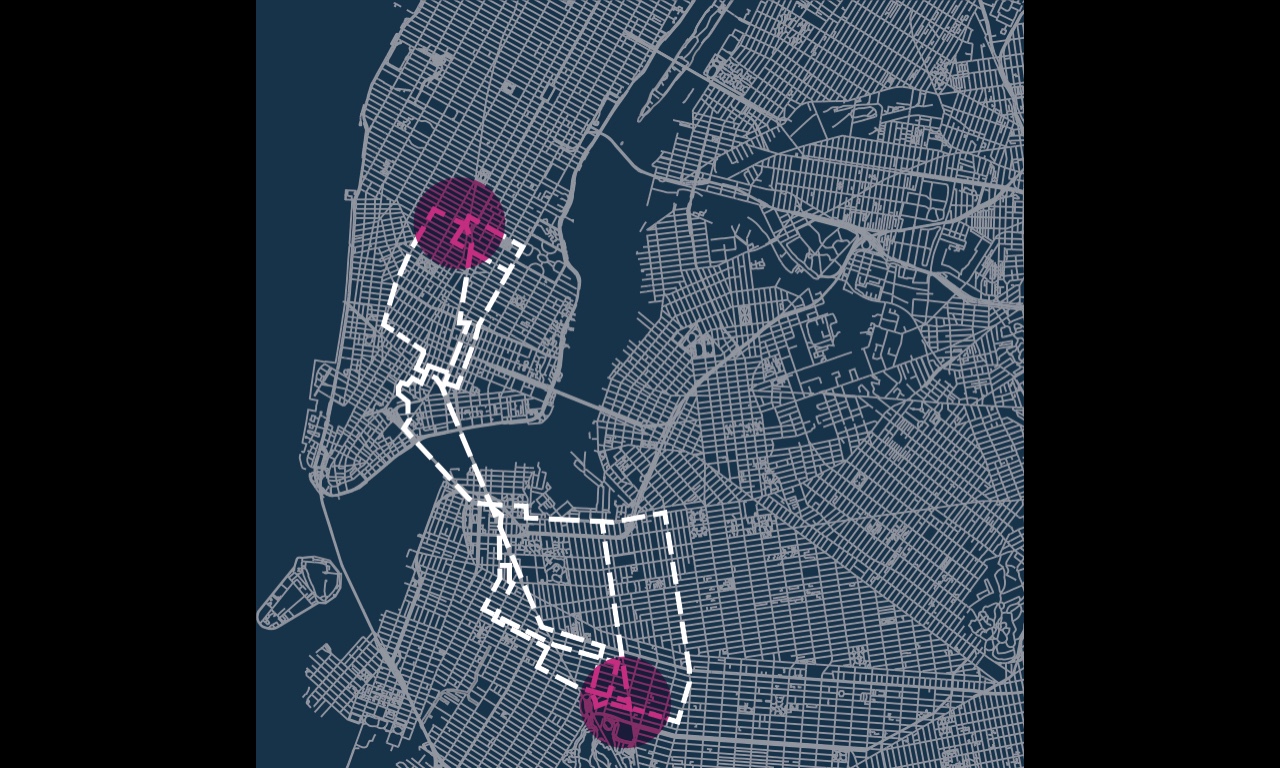
But, what about peers who share a path through the city?
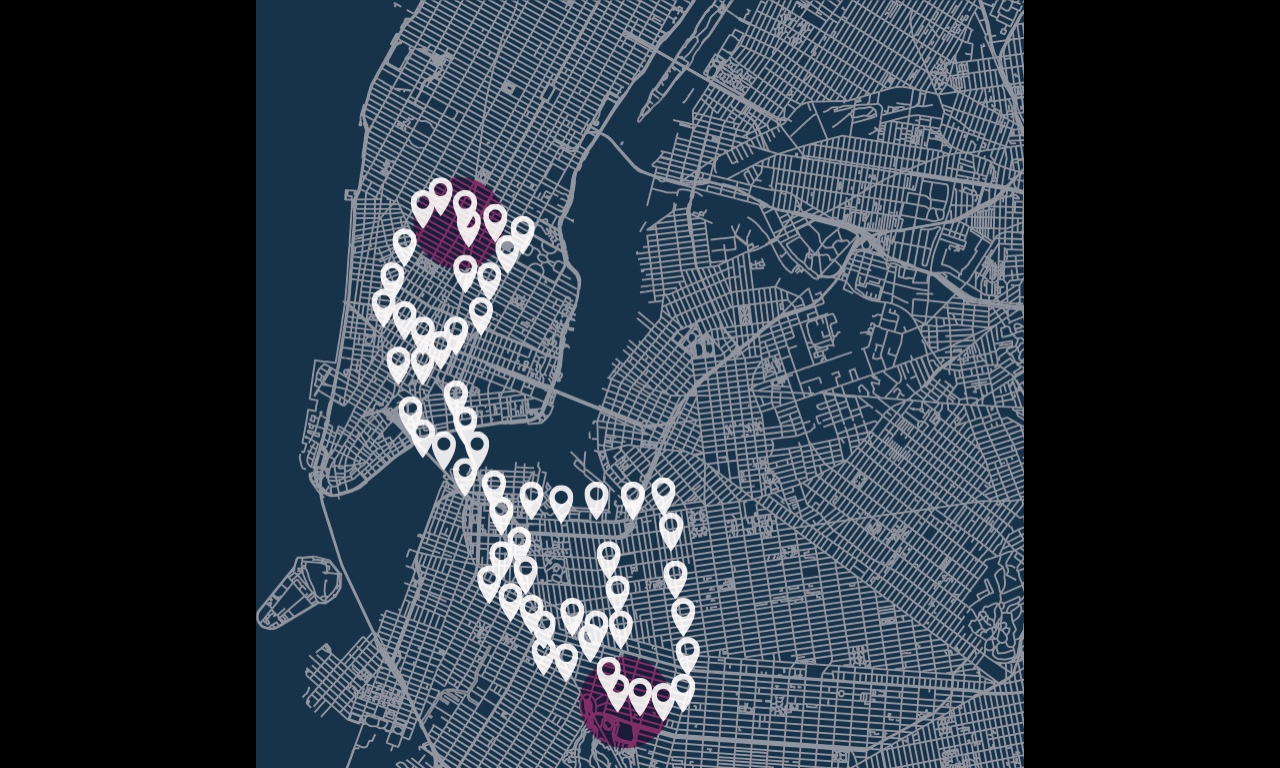
Cyclee reveals a twitter-like stream based on your paths. It separates signal from noise.
Situation-based Networks
This project is part of a larger thesis that explores the potential of online platforms to foster ad hoc communities among offline neighbors. With it, I propose that a situation-based network can create responsive and agile relationships deeply rooted in everyday experience. These connections can create feedback loops and resiliency that benefit individuals, communities, and their city.
View the code at github.com/cyclee.